Article: WHAT IS MINIMALIST FASHION
WHAT IS MINIMALIST FASHION
The word gets misused. Minimalist fashion does not mean plain clothing, no colour, or nothing interesting. It means restraint applied with intention.
The difference matters.
The Confusion
Minimalist fashion is often reduced to a visual shorthand: white walls, clean lines, monochrome. The aesthetic without the philosophy.
But aesthetic minimalism without conceptual grounding produces something hollow — clothing that performs simplicity without practicing it. Expensive grey T-shirts that fill a wardrobe as chaotically as anything else.
True minimalist fashion begins before the purchase. It begins with the question: why this piece?
What It Actually Is
Minimalist fashion is a practice of conscious selection. Every piece chosen for a reason. Every acquisition justified by what it adds — not replaces, not supplements, but genuinely adds — to what you already own.
The key principles:
Coherence over variety. A minimalist wardrobe is not monotonous. It is deliberate. The pieces work together because they were chosen to. The result is not a wardrobe that looks the same every day — it is one that always looks considered.
Quality as a prerequisite. The economics of minimalism require quality. If you own fifteen pieces rather than sixty, each one must perform. This means natural fibers, careful construction, cuts that do not date in eighteen months.
Neutrals as architecture. Neutral tones — off-white, stone grey, charcoal, warm sand — form the structure that makes everything else easy. They do not compete with each other. They compound.
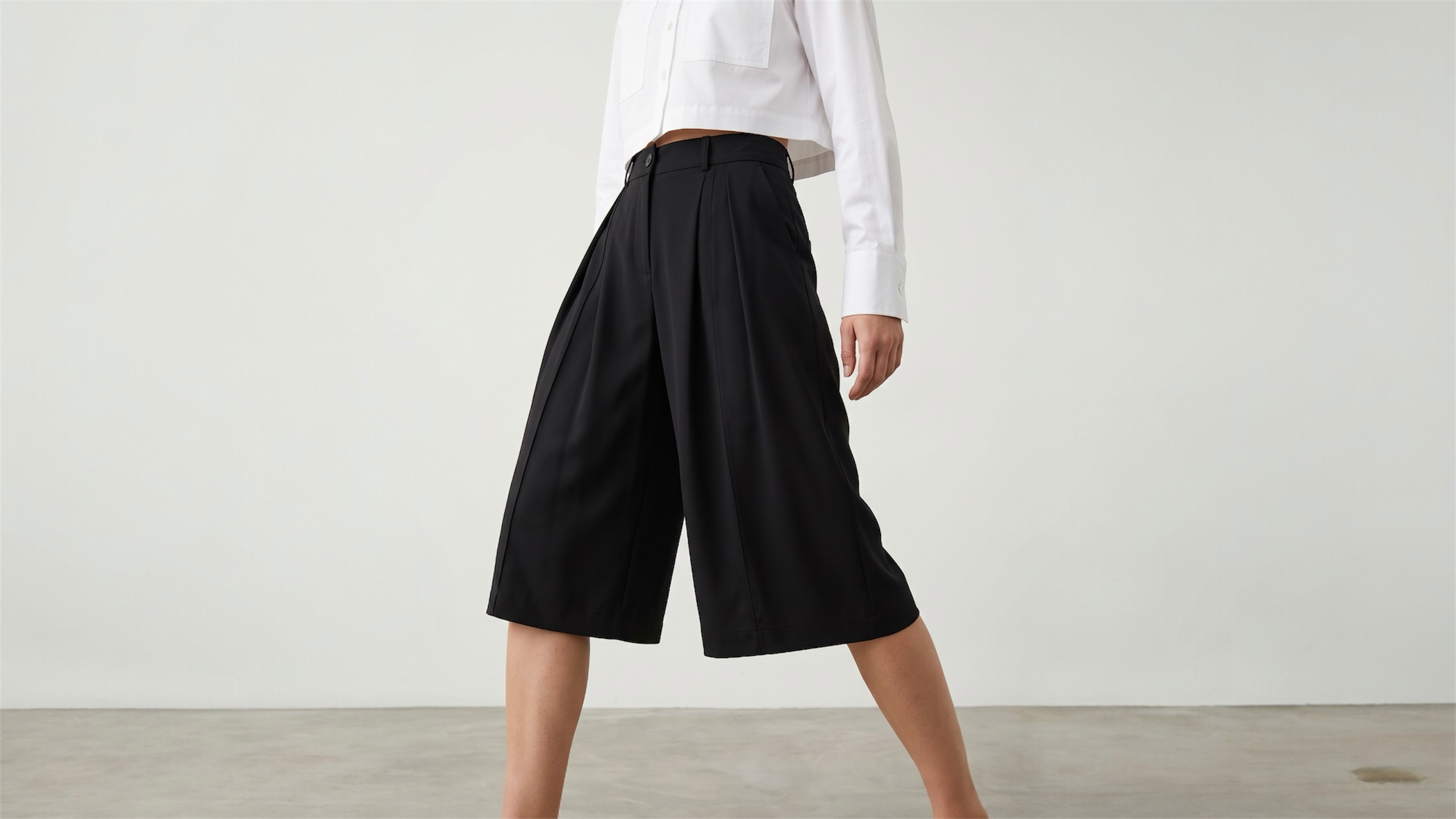
Silhouette over decoration. Minimalist fashion communicates through shape, not embellishment. The trouser with the correct break. The shirt with the precise collar. These details carry meaning without announcing themselves.
How to Dress Minimally (Without Looking Boring)
The concern that minimalism equals boring is understandable. It is also incorrect.
Consider: a tailored trouser in off-white, a close-knit in stone grey, clean leather loafers. Nothing branded, nothing embellished. The effect is precise, considered, and clearly intentional. It is the opposite of boring — it is just quiet.
The difference between boring and minimal is in the cut and the quality. Cheap basics look like cheap basics regardless of their colour. Well-made neutrals look deliberate.
A few practical moves:
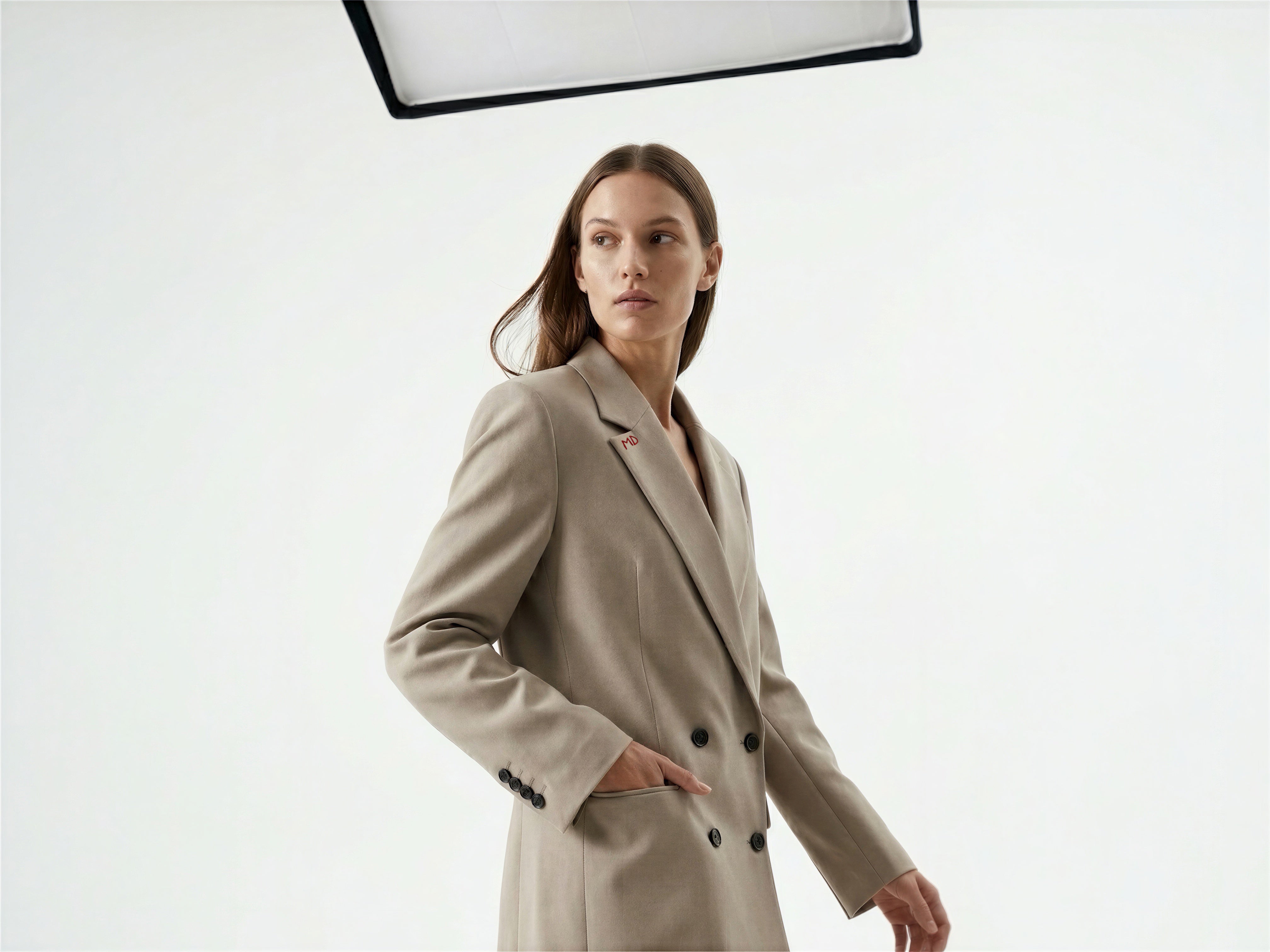
Play with proportion. A wide-leg trouser with a close-knit. An oversized blazer with a fitted base layer. Minimalism does not require everything to fit tightly — it requires that the proportions be intentional.
Use texture as variety. If colour is absent, texture fills the role. Linen against jersey. Ribbed knit against woven cotton. The palette stays neutral; the tactile experience does not.
Invest in one strong silhouette. You do not need many. You need one great coat, one great trouser, one great shirt. The capsule logic: fewer pieces, each carrying more weight.
The Identity Question
There is a cultural shift embedded in minimalist fashion that goes beyond aesthetics.
Loud branding, visible logos, and conspicuous consumption are a form of communication: look what I can afford. Minimalism communicates differently: I know what I like, and I don’t need to prove it.
This is the genuine appeal of minimalist fashion for the generation currently driving its growth — not a rejection of identity, but a different way of constructing one. Through restraint, through quality, through confidence that does not require external validation.
UNDERSTATEMENT IS POWER.
Where to Begin
Do not start by buying. Start by editing.
Pull everything out of your wardrobe. Identify what you actually wear — not what you like in theory, what you reach for in practice. Notice the patterns. The colours you return to. The silhouettes that appear again and again.
That is your starting point. Build from there. Replace what is worn out with something better. Fill the actual gaps. Do not add anything simply because it exists.
The wardrobe that emerges will be smaller. It will also be more yours than anything you built through accumulation.
Maison Dietrich is built on this premise. A narrow collection. Elevated pieces. The philosophy made fabric.